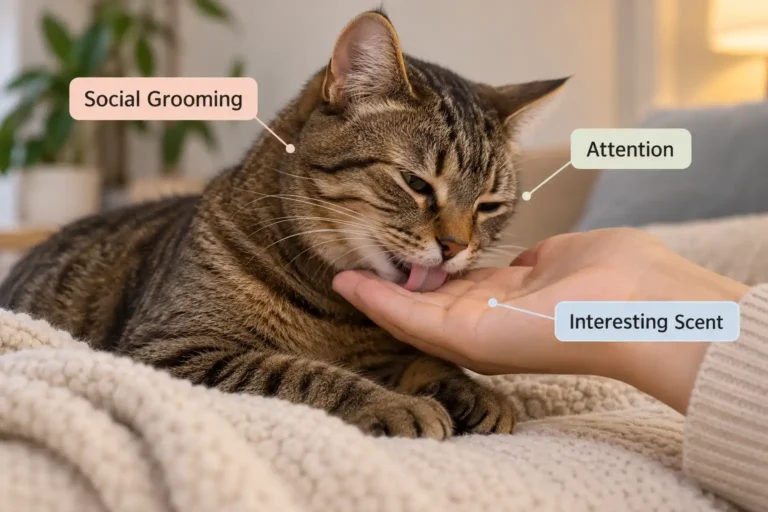
Can Cats Eat Eggs? Safe Portions, Benefits, and Risks
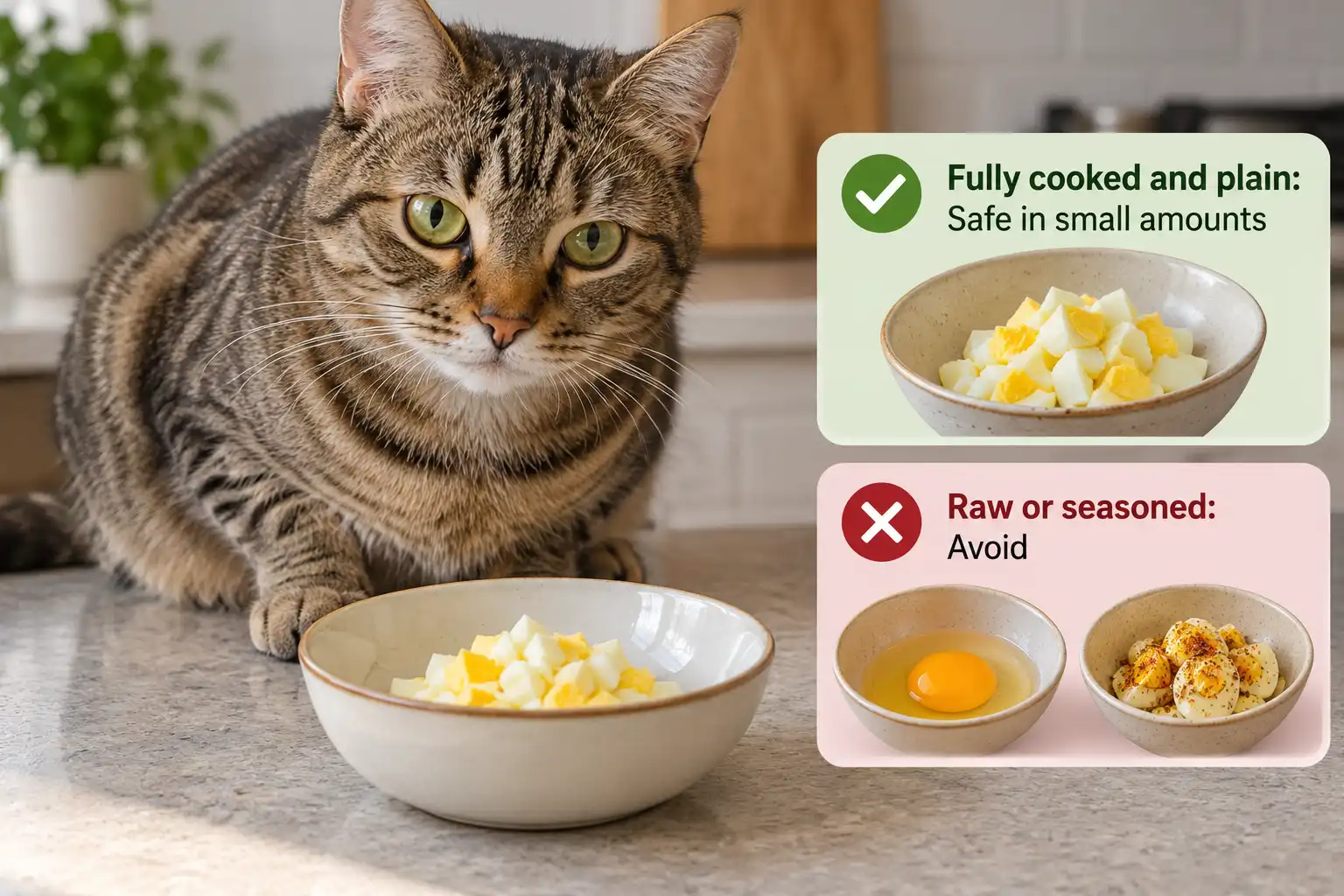
Can cats eat eggs? Yes, cats can eat fully cooked eggs in small amounts. Boiled and scrambled eggs are suitable occasional treats, but raw eggs and heavily seasoned preparations can introduce unnecessary health risks.
Cats can eat small portions of plain, fully cooked eggs. Hard-boiled and firmly scrambled eggs are suitable occasional treats. Avoid raw eggs, runny centers, eggshells, and seasoned recipes. Eggs should supplement, never replace, nutritionally complete cat food.
If your cat is unwell, vomiting, refusing food, or following a veterinary diet, contact your veterinarian before introducing egg treats.
Are Eggs Good for Cats?
Eggs provide protein, fat, and several vitamins that cats need. However, they are not nutritionally complete meals. According to Cornell Feline Health Center, cats are obligate carnivores. They need specific nutrients, including taurine, essential fatty acids, vitamins, and minerals, in appropriate amounts.
Eggs contain several useful nutrients:
- Protein: Supports normal muscle maintenance and tissue repair.
- Fat: Supplies energy and essential fatty acids.
- Vitamin B12: Supports normal nerve function and blood cell formation.
- Riboflavin (vitamin B2): Helps the body use energy from food.
- Choline: Supports cell membranes and normal metabolism.
- Selenium: Contributes to antioxidant defense systems.
For a healthy adult cat, one large hard-boiled egg provides approximately 6.3 g protein and 5.3 g fat, based on USDA data.
However, more protein does not automatically make a treat better. Eggs lack the complete nutrient balance cats require as their main diet.
An adult cat should continue eating food labeled complete and balanced for adult maintenance. Kittens need food appropriate for growth.
The nutritional adequacy statement on cat food helps you identify the intended life stage.
Is the Egg White or Yolk Better for Cats?
Both are acceptable when fully cooked, but their nutritional composition differs.
Egg whites contain protein with very little fat. They can provide a lower-calorie treat than an equivalent amount of whole egg.
Egg yolks contain more fat and many of the egg’s vitamins. Their higher energy density makes portion control especially relevant.
Neither part is necessary if your cat already eats balanced food. A small serving of cooked whole egg is reasonable for most healthy adult cats.
Can Cats Eat Boiled or Scrambled Eggs?
Yes. Cats can eat hard-boiled eggs and fully cooked scrambled eggs if they contain no added seasoning or unnecessary ingredients.
The preparation method matters because raw or incompletely cooked egg can contain harmful bacteria.
Which Egg Preparations Are Safe?
| Egg preparation | Safe for healthy cats? | What to know |
|---|---|---|
| Hard-boiled eggs | Yes | Peel, cool, and chop into small pieces |
| Plain scrambled eggs | Yes | Cook completely without butter, milk, or seasoning |
| Fully cooked poached eggs | Yes | Both white and yolk must be firm |
| Soft-boiled or runny eggs | Avoid | The egg may be insufficiently cooked |
| Raw eggs | No | Possible bacterial contamination |
| Seasoned omelets or egg salad | Avoid | May contain unsafe ingredients or excess fat |
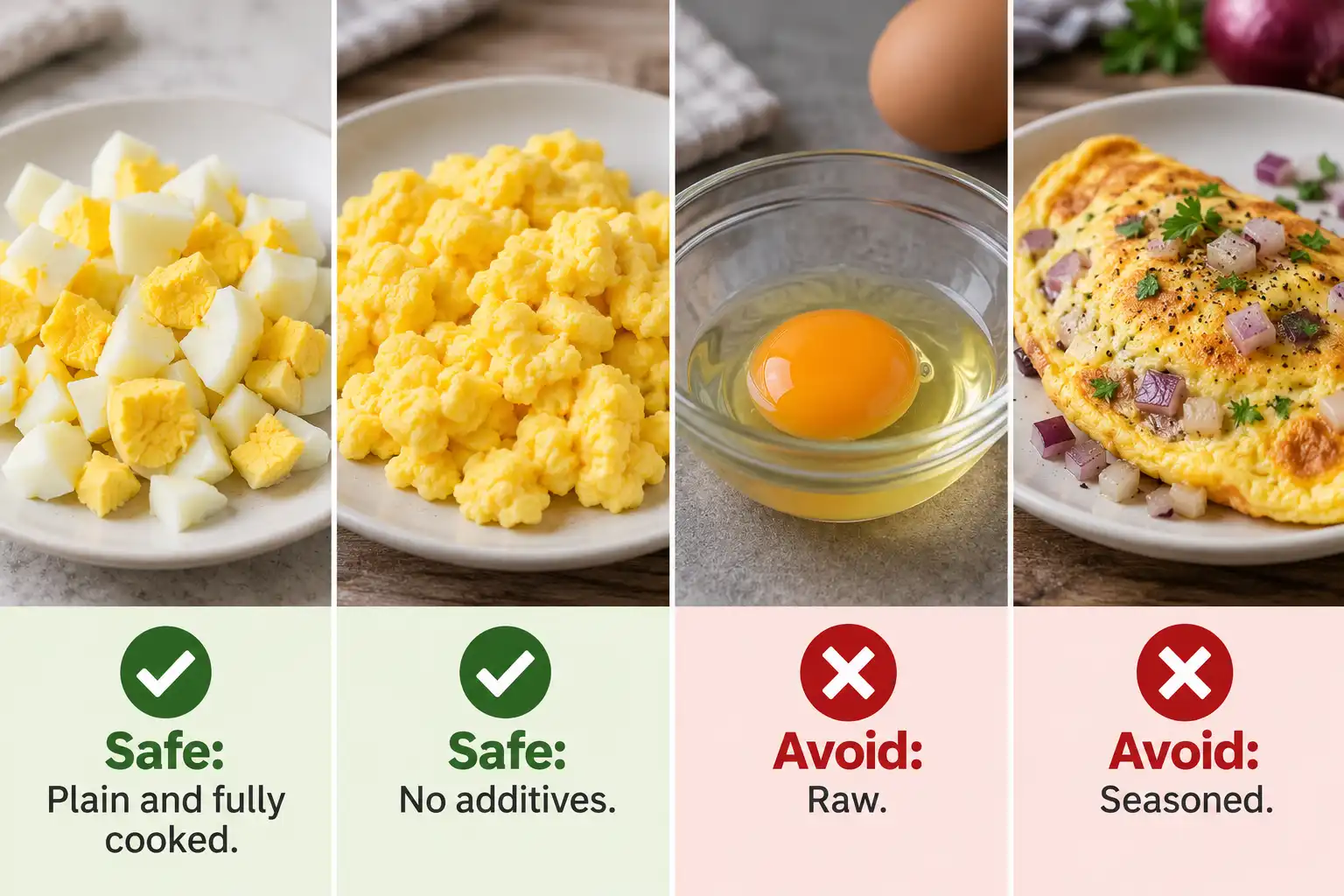
The FDA’s egg safety guidance advises cooking eggs until both whites and yolks are firm. Scrambled eggs should not remain runny.
Can Cats Eat Raw Eggs?
No. Raw eggs are not a recommended treat for cats. Raw eggs present two different concerns: bacterial contamination and interference with biotin absorption from repeated raw egg-white consumption.
Salmonella and Other Bacteria
Raw or undercooked eggs may contain Salmonella. The bacteria can cause illness even when an egg looks clean and fresh.
According to the FDA, affected cats may develop:
- Vomiting or diarrhea
- Fever
- Reduced appetite
- Unusual tiredness
- Decreased activity
Some infected cats show no obvious symptoms but can still shed bacteria.
This means raw eggs can also create a hygiene risk for people handling contaminated food, dishes, or litter.
Not every raw egg contains harmful bacteria. However, there is no established nutritional advantage that makes exposing cats to this avoidable risk worthwhile.
Raw Egg Whites and Biotin
Raw egg whites contain avidin, a protein that binds biotin, also called vitamin B7.
According to the Merck Veterinary Manual, regularly feeding raw egg whites can interfere with biotin absorption and contribute to deficiency.
Biotin supports healthy skin, coat, and normal metabolism.
This problem is associated with repeated dietary exposure, not an automatic consequence of one accidental lick. Cooking reduces avidin’s activity.
For these reasons, fully cooked egg is the better choice.
How Much Egg Can a Cat Eat?
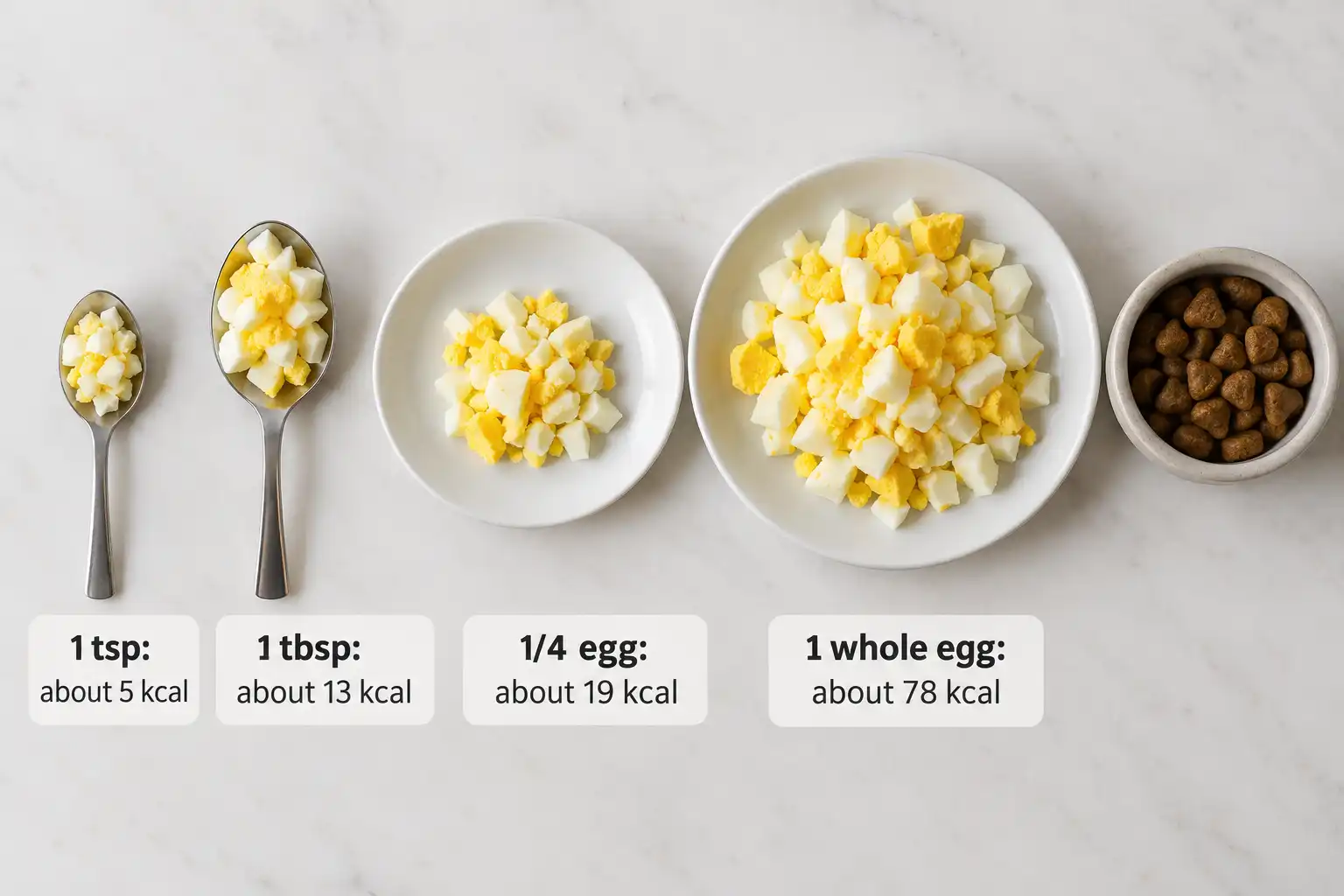
For a healthy adult cat, begin with about one teaspoon of finely chopped, fully cooked egg. The appropriate amount depends on the cat’s calorie requirements, body condition, regular food, and other treats.
Tufts Petfoodology recommends limiting extras to 10% of daily calories. Cornell Feline Health Center gives a broader ceiling of 10% to 15%.
Using the more conservative 10% limit leaves more of the diet available for complete cat food.
How Many Calories Are in an Egg?
The following estimates come from USDA FoodData Central, using its hard-boiled whole egg record (173424).
For a healthy adult cat:
- 1 teaspoon chopped egg: About 3 g and 5 kcal.
- 1 tablespoon chopped egg: About 8.5 g and 13 kcal.
- 1/4 large egg: About 12.5 g and 19 kcal.
- 1 whole large egg: About 50 g and 78 kcal.
The teaspoon and tablespoon weights are approximate. Chopping size and how tightly the egg fills the spoon affect the actual weight.
Example: Why a Small Serving Matters
Consider a hypothetical healthy adult indoor, neutered cat with a daily maintenance allowance of 200 kcal.
Its 10% treat budget would be:
200 kcal × 0.10 = 20 kcal per day
For this adult indoor, neutered cat, one tablespoon of chopped hard-boiled egg contributes approximately 13 kcal. That leaves around 7 kcal for any other extras that day.
By comparison, an entire 78-kcal egg would provide about 39% of this example cat’s daily calories. These numbers illustrate portion size, not a prescribed feeding target.
For your cat, use the established daily calorie allowance, including any wet and dry food. The daily food calculator can help organize regular portions.
How Should You Prepare Eggs for Your Cat?
Cook eggs thoroughly, keep them plain, and offer only a small amount. Follow these steps:
- Choose a fresh egg. Use a clean, uncracked egg that has been refrigerated properly.
- Cook it completely. Hard-boil the egg or scramble it until no liquid remains. Do not add butter, oil, salt, milk, or spices.
- Let it cool. Remove the shell and chop the egg into small, easy-to-eat pieces.
- Start with a little. Offer a teaspoon or less, then watch for any unusual digestive or skin symptoms.
If your cat ignores the egg, remove it and continue offering its usual balanced food.
Why Should Seasoned Eggs Be Avoided?
Many breakfast egg dishes contain ingredients unsuitable for cats. The ASPCA Animal Poison Control identifies onion, garlic, and chives as toxic to cats. These ingredients can damage red blood cells and cause anemia.
Butter and cooking oils add unnecessary calories and may upset digestion. Milk or cream may also cause digestive upset in lactose-intolerant cats.
Avoid serving egg salad, buttery omelets, and seasoned breakfast leftovers.
How Should Leftover Cooked Eggs Be Stored?
Refrigerate cooked eggs promptly and avoid leaving portions sitting in a cat’s bowl for extended periods. The FDA advises refrigerating cooked eggs within two hours, or within one hour when temperatures exceed 90°F.
Store refrigerated hard-boiled eggs at 40°F or below and use them within one week. Keep prepared egg separate from raw ingredients to prevent contamination.
Which Cats Need Extra Caution With Eggs?
Age, health status, and existing dietary restrictions affect whether an egg treat is appropriate.
Kittens
Kittens that already eat solid, complete kitten food can generally tolerate a very small portion of plain cooked egg.
However, growth requires a carefully balanced nutrient intake. Egg must not replace kitten food, and very young or unwell kittens need veterinary guidance.
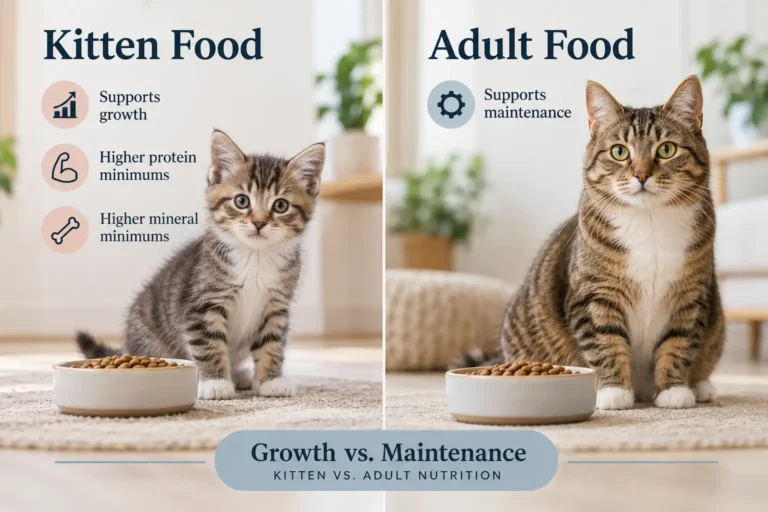
The nutritional differences between kitten and adult cat food explain why growth-stage feeding requires particular care.
Senior Cats
A healthy senior cat may have a little cooked egg. Age alone does not make eggs unsafe.
However, older cats are more likely to have medical conditions or dietary restrictions. Ask your veterinarian before adding eggs if your senior cat follows a specific feeding plan.
Cats With Medical Conditions
Consult your veterinarian before offering eggs to a cat with:
- Kidney or urinary disease
- Pancreatitis or recurring digestive problems
- A suspected or diagnosed food allergy
- Diabetes or a medically managed weight condition
- A prescribed therapeutic diet
Eggs are not treatments for these conditions. Their protein, fat, minerals, and calories may not fit an individual cat’s prescribed diet.
Cats with suspected food allergies should also avoid unapproved treats during a veterinary elimination diet.
What If Your Cat Eats Raw Eggs or Gets Sick After Eating Eggs?
A small accidental exposure does not always cause illness. However, raw eggs can carry harmful bacteria, and seasoned eggs may contain toxic ingredients.
If your cat eats raw egg, remove the remaining food, clean contaminated surfaces, and contact your veterinarian for guidance if the cat is young, elderly, unwell, or develops symptoms.
If the egg contains onion, garlic, or chives, contact your veterinarian or animal poison control promptly. Do not wait for symptoms.
Seek same-day veterinary care if your cat stops eating, vomits repeatedly, strains to urinate, has trouble breathing, or develops sudden weakness.
Also contact your veterinarian for diarrhea, unusual tiredness, persistent itching, or other concerning changes.
Vomiting after eating egg does not automatically indicate an allergy. Several conditions can cause vomiting, as explained in the guide to possible causes of vomiting in cats.
Do not use eggs to compensate for a cat refusing its regular food. Appetite loss needs prompt attention because prolonged food refusal can lead to serious complications.
Frequently Asked Questions
Can Kittens Eat Eggs?
Yes, kittens eating solid food can occasionally have tiny portions of fully cooked, plain egg. However, kittens need complete nutrition for growth, so egg treats must never replace appropriately formulated kitten food.
Can Cats Eat Cooked Egg Whites?
Yes, fully cooked egg whites can be an occasional treat for healthy cats. They contain protein with little fat, but offer limited overall nutrition. Avoid raw egg whites because of bacterial and avidin-related risks.
Can Cats Eat Egg Yolks?
Yes, cats can eat small amounts of fully cooked egg yolk. Yolks contain fat and several vitamins, but are more calorie-dense than whites. Keep portions modest, especially when a cat needs calorie control.
Can Cats Eat Eggshells?
Eggshells are not recommended as treats or homemade calcium supplements. Shell fragments may be difficult to chew safely, and unnecessary calcium can unbalance nutrition. A complete cat food already provides appropriate mineral amounts.
Can I Mix Scrambled Eggs With Dry Cat Food?
Yes, a small amount of plain, cooled scrambled egg can be mixed with dry food for a healthy cat. Count the added calories, and avoid using egg to disguise ongoing appetite problems.
Can Cats Eat Eggs Every Day?
Eggs are not necessary every day for cats eating complete, balanced food. Occasional servings are more practical because daily extras can add calories and displace essential nutrients. Account for every treat in the total allowance.
Should You Include Eggs in Your Cat’s Diet?
Eggs can be a useful occasional treat, but cats do not need them to remain healthy. A complete, balanced cat food should continue supplying the nutrients required for the cat’s life stage.
If you offer eggs, choose plain, fully cooked portions and start with a teaspoon or less. Hard-boiled and firmly scrambled eggs are straightforward options. Avoid raw eggs, runny preparations, eggshells, and dishes containing unsafe ingredients.
The most useful habit is to count egg calories alongside every other treat. This helps prevent extra food from gradually changing your cat’s daily intake. If your cat has dietary restrictions or develops symptoms after eating egg, seek veterinary guidance rather than changing its regular diet independently.